
Cleebourg vineyard: the winery, the single vineyards and the wine trail
The Cleebourg vineyard, the northernmost in Alsace, covers 200 ha near Wissembourg: a cooperative winery, ten single vineyards, crémants and a 4 km wine trail.

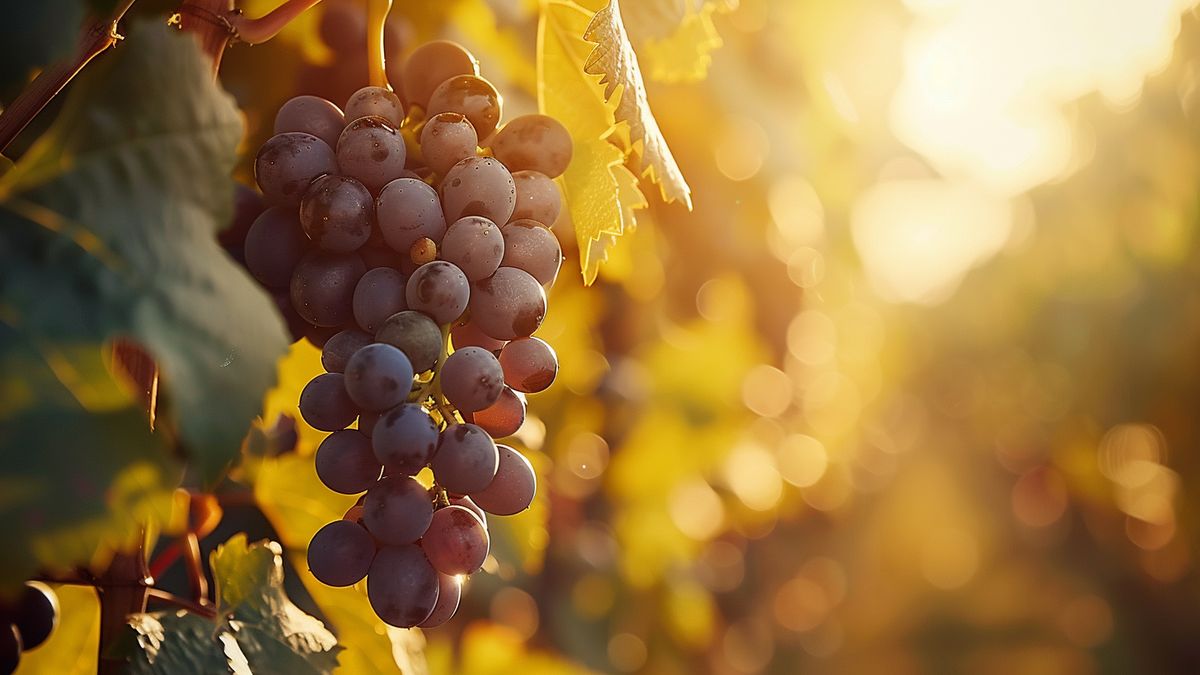
The Cleebourg vineyard is the northernmost in Alsace: around 200 hectares of slopes around Cleebourg, Rott, Steinseltz, Oberhoffen-lès-Wissembourg and Riedseltz, in the Bas-Rhin, about ten kilometres from Wissembourg. Its winegrowers belong to a cooperative, the Cave vinicole de Cleebourg, which offers Alsace wines, crémants and ten single-vineyard cuvées. Visitors come for tastings at the cellar, walks along the wine trail and a stretch of the Wine Route away from the crowds.
Where is the Cleebourg vineyard?
The vines cover the foothills of the Northern Vosges, between the forest and the Outre-Forêt plain. Cleebourg and Rott lie within the Northern Vosges Regional Nature Park; the winery stands on the Route du Vin, between these two villages. The slopes face mainly south and south-west. All around, the landscape alternates between vines, orchards of quetsch plums and mirabelles, and villages of half-timbered houses whose half-buried cellars were used to store wine.
A little history
Vines have been grown here since the early Middle Ages: the monks of Wissembourg Abbey spotted the potential of these slopes. In the 19th century, phylloxera devastated the Alsace vineyards between Marlenheim and Cleebourg. The Second World War then hit the Rott vineyard hard.
The Cave vinicole de Cleebourg was founded on 26 May 1946 to revive winegrowing. It brings together the winegrowers of Cleebourg, Oberhoffen-lès-Wissembourg, Rott, Steinseltz and Riedseltz and, by its own account, produces nearly 15,000 hectolitres of wines and crémants a year. From 1988, the winegrowers singled out ten lieux-dits (single vineyards), vinified separately. In 1996, the Confrérie des vins de Cleebourg was founded; each year it chooses a wine worthy of bearing its name. The winery celebrated its 80th anniversary with two anniversary cuvées.
Which grape varieties and which ranges?
The winery works with the Alsace grape varieties: Auxerrois, Sylvaner, Muscat, Riesling, Pinot Gris, Gewurztraminer and Pinot Noir, plus Pinot Blanc and Chardonnay for some crémants. Auxerrois, a delicate, supple white grape, appears in many cuvées, from still wines to crémants. Around 60% of the harvest is picked by hand.
- Alsace wines by grape variety: a Tradition range (Auxerrois, Riesling, Pinot Gris, Gewurztraminer, Pinot Noir), complemented by a Muscat, a Sylvaner and a Riesling awarded the seal of the Confrérie Saint-Étienne.
- Vieilles Vignes: a Riesling and a Pinot Gris from old vines.
- The organic range: Riesling, Pinot Gris, Gewurztraminer and Pinot Noir from organically grown grapes.
- The Sauvage range, with animal names: Flûte de Paon, a floral white for the aperitif; Le Pinot et le Renard, a blend of Pinot Gris and Riesling; Flamant Rosé, a Pinot Noir rosé to drink young.
- Special cuvées: barrel-aged Pinot Gris and Pinot Noir, Pinot Noir Passion, Pinot Gris Sélection de la Confrérie, and the 80th Cuvée Anniversaire, a blend of Pinot Gris, Riesling and Gewurztraminer.
- Vendanges tardives (late harvest): a Gewurztraminer made only in good years, from late-picked grapes often affected by noble rot.
The ten lieux-dits of Cleebourg
Each lieu-dit is matched with a single grape variety, the one that best expresses its soil and aspect. These are the winery’s food wines.
- Keimberg, in Cleebourg: Auxerrois, on a silty, sandy-clay slope facing south-west, west of the village.
- Himmrich, in Cleebourg: Pinot Gris, clay-silt soil, facing south-west.
- Reifenberg, in Cleebourg: Gewurztraminer, on a south-facing slope running down towards the village.
- Hannesacker, in Rott: Riesling, north of the village, facing south-south-east.
- Eselsforch, in Rott: a Riesling for laying down, north-west of the village, facing south-west.
- Huettgasse, in Steinseltz: the only red lieu-dit, a Pinot Noir on clay soil facing due south.
- Brandhof, in Steinseltz: Pinot Gris, facing south-south-west.
- Oberberg, in Steinseltz: Gewurztraminer, on the heights, facing due south.
- Karchweg, in Oberhoffen-lès-Wissembourg: Pinot Gris, east of the village, facing south-south-west.
- Kammerberg, in Wissembourg: Riesling on clay-limestone soil, facing due south.
Why “Hospices de Strasbourg” wines in Cleebourg?
Some bottles bear the name of the Hospices de Strasbourg. They are Cleebourg wines: harvested and made at the winery, they are selected by a tasting panel and then aged in Strasbourg, in the old casks of the historic Cave des Hospices, founded in 1395 and revived in 1997. Four grape varieties benefit: Auxerrois, Riesling, Pinot Gris and Pinot Noir.
Cleebourg crémants
Crémant d’Alsace makes up a large share of production.
- Clerotstein: the main range, in Auxerrois (also in magnum), Pinot Gris, Pinot Noir rosé, and the Symphonie en P, a blend of Pinot Blanc, Pinot Gris and Pinot Noir.
- Révélation: a crémant aged at least 36 months on the lees, at least three times the 12 months required.
- Frizz: a sweeter blanc de blancs, designed for spritz.
- Ice and Ice Rosé: crémants to serve over crushed ice, as an aperitif or with dessert.
- Crémant Cuvée Anniversaire: 100% Chardonnay, three years on the lees.
The Cleebourg wine trail
The wine trail starts from the winery car park and follows the “sentier viticole” signs. The loop is about 4.2 km long with 82 m of ascent, or 1 hr 15 of easy walking. It crosses the vineyards with views over Cleebourg, passes a shelter, goes down into the village along the main street and returns via Rue Wolf and a forest path. This educational trail introduces the grape varieties of the vineyard.
For a full day, the orchard trail starts from the same car park: 15.8 km and about 4 hr 30, via Steinseltz and Rott, between orchards and vines. A half-hour detour leads to the monuments of the Battle of Geisberg (1870), with a fine viewpoint.
Visiting the winery and tasting
The sales and tasting cellar is open all year round, including weekends and public holidays, except at Christmas, on New Year’s Day and on Easter Sunday. A sommelier and the cellar team guide you through the tasting, in French, German or English. The building also houses a small shop selling local produce.
Groups of at least 15 people can book a guided tour: a look round the facilities, a slide show and a commented tasting with small pretzels and a complimentary glass. Allow an hour and a half to two hours. There are no tours during the grape harvest.
My tip: walk the wine trail before the tasting, then compare a Tradition Auxerrois with the Keimberg lieu-dit Auxerrois at the cellar: you can taste the difference in terroir straight away.
Cleebourg, the northern end of the Wine Route
The Alsace Wine Route links Marlenheim in the north with Thann in the south. After a break at Marlenheim, it resumes at Cleebourg and continues to the German border. This isolated stretch combines well with Hunspach, its white houses and the nearby Maginot Line fort, or with the castles above Lembach. To stay on theme, the coq au Riesling recipe can be made with a Riesling from the winery.
Practical information
- Address: Cave vinicole de Cleebourg, Route du Vin, 67160 Cleebourg (Bas-Rhin).
- Getting there: from Wissembourg, take the D77 to the winery, about 5 km away as the crow flies.
- Bus: line 317 Château de Fleckenstein – Wissembourg, stop “Cave vinicole de Cleebourg, Rott”.
- Train: the nearest TER station is Wissembourg.
- Parking: the winery car park, starting point of both trails.
- Time needed: about an hour for the cellar, half a day with the wine trail.
- Opening hours and prices: on the winery’s official website, which also takes group bookings.
The vineyard is easy to reach from anywhere in the Wissembourg and Outre-Forêt area.
When to visit?
Spring and summer suit the wine trail, when the vines are in leaf. Autumn is the liveliest season: the harvest usually begins in October, and late-harvest picking can run into November or December. The winery also hosts events throughout the year: check the calendar of wine events before you come.
Good to know
Expected crowds this week: usual, busier at the weekend
In the Northern Vosges
- 25 December Christmas Day, public holiday in France (long weekend)
- 26 December St Stephen’s Day (Alsace-Moselle), public holiday in France
- 1 January New Year's Day, public holiday in France (long weekend)
- 20 December – 3 January French school holidays
Back home: the Netherlands
- 25 December Christmas Day
- 26 December St. Stephen's Day
- 19 December – 3 January Christmas Holidays
- 13 February – 21 March Spring Holidays (depending on region)
Getting here
- From Belgium and the Netherlands by car: via Luxembourg and Metz, or via Germany towards Karlsruhe and Wissembourg.
- By train: high-speed trains to Strasbourg (via Paris) or to Karlsruhe (via Germany), then regional trains.
- On site: a car is the easiest way to get around.
Holidays: Nager.Date and OpenHolidays.