Salted pork shoulder in white wine: the winemaker’s recipe
The winemaker’s salted pork shoulder: a lightly salted shoulder, soaked, browned in a casserole and simmered for 2 hours in dry white wine with onions, carrots and garlic. A stew that almost cooks itself.

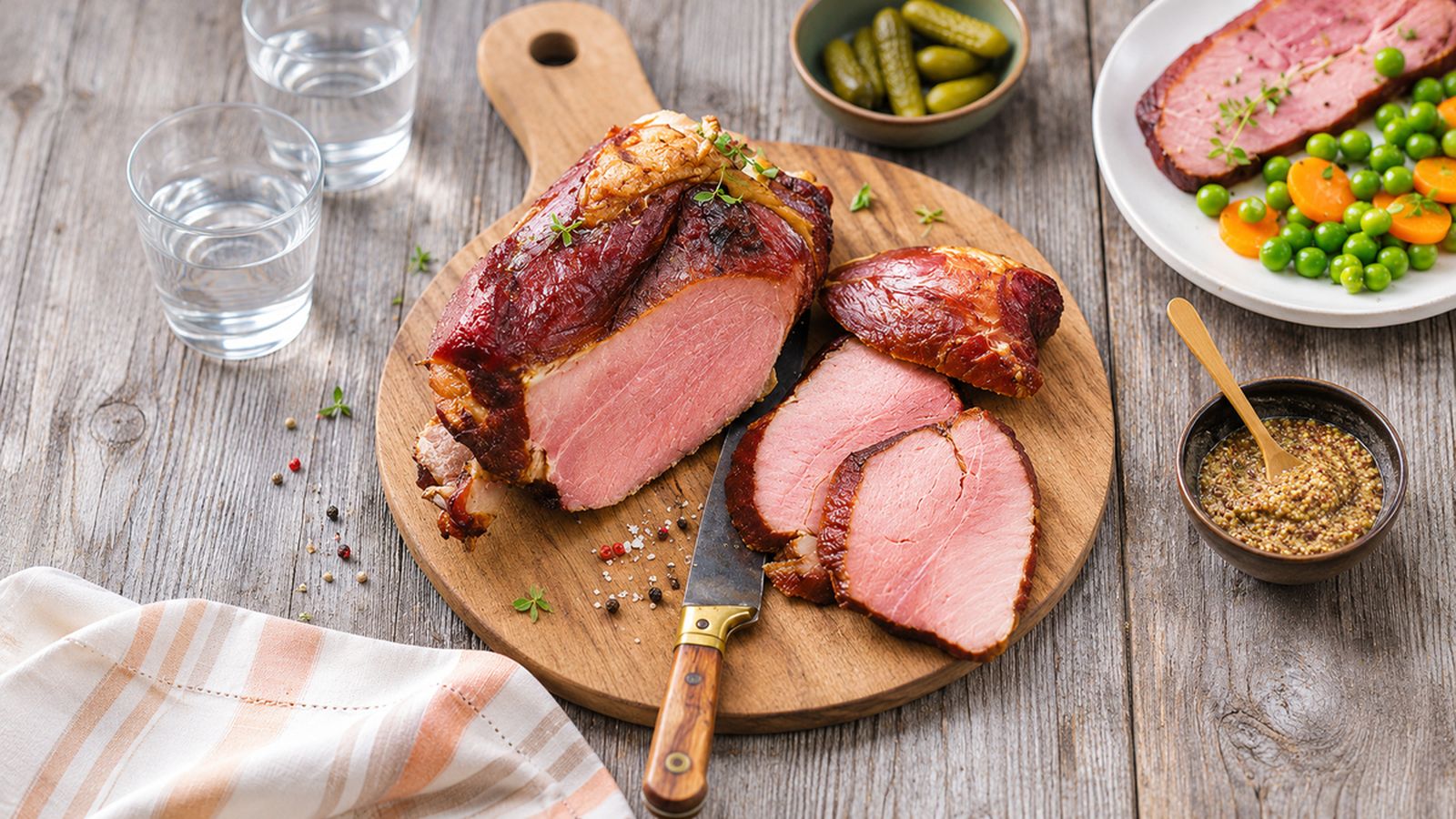
The winemaker’s salted pork shoulder is a lightly salted (demi-sel) pork shoulder, soaked for 2 to 3 hours in cold water to draw out the salt, browned in a casserole and then simmered for 2 hours in dry white wine and stock with onions, carrots, garlic and a bouquet garni. It is an autumn and winter stew that more or less cooks itself once it is under way.
Preparation: 15 minutes
Soaking: 2 to 3 hours to remove the salt
Cooking: about 2 hours 10 minutes
Serves 4
Ingredients
- 1 kg salted pork shoulder
- 2 onions
- 3 carrots
- 4 garlic cloves
- 1 bouquet garni (thyme, bay leaf, parsley)
- 500 ml dry white wine
- 1 litre vegetable stock
- Salt and pepper
- 2 tablespoons olive oil
Method
- Soak the shoulder for 2 to 3 hours in a large bowl of cold water, changing the water every hour, then pat it dry with kitchen paper.
- Slice the onions, cut the carrots into rounds and chop the garlic.
- In a cast-iron casserole, soften the onions in the oil over a medium heat until translucent, then add the carrots and garlic for a few minutes.
- Put the shoulder in the casserole and brown it on all sides for about 10 minutes.
- Deglaze with the white wine and let it reduce slightly, then add the stock and the bouquet garni.
- Bring to the boil, cover and simmer over a low heat for about 2 hours.
- Leave the meat to rest for around ten minutes, cut it into thick slices and serve with the cooking juices spooned over.
My tip: taste the juices before adding any salt. Even after soaking, the shoulder releases salt into the stock, and one pinch too many can’t be undone. If your butcher sells you a very salty shoulder, ask how long it needs to soak.
What is salted pork shoulder?
The palette is the upper part of the pork shoulder, around the shoulder blade: a fairly lean, tender muscle that takes well to long, slow cooking. It is sold fresh, lightly salted (demi-sel) or smoked. The lightly salted version used in this recipe is the meat used for petit salé (French salt pork); it must be soaked before cooking.
Salting and smoking are the two age-old ways of preserving pork. In Alsace they produce salted and smoked pork neck, Kassler and smoked shoulder – and a good share of the meats in a choucroute garnie.
Origins
Simmered salted pork shoulder has no precise birth certificate: it is home cooking, born of preserving pork in salt, and found in many regions. The “winemaker” in the title refers to cooking it in white wine, as with coq au Riesling. No serious source presents it as a dish specific to the grape harvest.
In Alsace, the shoulder is also cooked smoked: this is the Alsatians’ Schiffala or Schiffele, which you’ll find in the recipe for smoked pork shoulder with potatoes. The salted version is milder and leaves more room for the wine and vegetables.
What to serve it with
Steamed or sautéed potatoes soak up the cooking juices. Roast root vegetables or a celeriac purée also work well. For a simple meal, the carrots from the casserole may be enough.
For wine, serve the same dry white you cooked with: an Alsace Sylvaner or Riesling. Both grape varieties are grown in the far north of Alsace, in the Cleebourg vineyards near Wissembourg. If you prefer beer, an Alsace lager will do nicely.
Where to try it
Lightly salted pork shoulder is sold by butchers and charcutiers in the Bas-Rhin and Moselle; ask for “demi-sel” for this recipe. In restaurants, you are more likely to come across it in a choucroute garnie than served on its own.
For more slow-cooked dishes from Alsatian and Lorraine cuisine, see the Recipes section.
Good to know
Expected crowds this week: usual, busier at the weekend
In the Northern Vosges
- 25 December Christmas Day, public holiday in France (long weekend)
- 26 December St Stephen’s Day (Alsace-Moselle), public holiday in France
- 1 January New Year's Day, public holiday in France (long weekend)
- 20 December – 3 January French school holidays
Back home: the Netherlands
- 25 December Christmas Day
- 26 December St. Stephen's Day
- 19 December – 3 January Christmas Holidays
- 13 February – 21 March Spring Holidays (depending on region)
Getting here
- From Belgium and the Netherlands by car: via Luxembourg and Metz, or via Germany towards Karlsruhe and Wissembourg.
- By train: high-speed trains to Strasbourg (via Paris) or to Karlsruhe (via Germany), then regional trains.
- On site: a car is the easiest way to get around.
Holidays: Nager.Date and OpenHolidays.