Spiced mulled wine: the recipe from Alsace’s Christmas markets
Mulled wine: a bottle of red wine heated without boiling for 20 to 30 minutes with citrus, cinnamon, star anise, cloves and vanilla, then strained. The drink of Alsace’s Christmas markets.


Mulled wine is made from a bottle of red wine heated gently, without ever boiling, for 20 to 30 minutes with slices of orange and lemon, cinnamon, star anise, cloves, vanilla and sugar, then strained. It is the drink of the Christmas markets of Alsace and Moselle, where a white-wine version is also served.
Cooking: 20 to 30 minutes
For 1 bottle of wine, about 6 glasses
Ingredients
- 1 bottle of red wine (avoid wines that are too tannic or too expensive)
- 2 oranges
- 1 lemon
- 1 cinnamon stick
- 3 star anise
- 4 cloves
- 1 vanilla pod
- 100 g sugar (adjust to taste)
- 50 ml cognac or rum (optional)
- A few cardamom seeds (optional)
Method
- Wash the oranges and lemon and slice them with their peel on. Split the vanilla pod in half.
- Pour the wine into a large saucepan with the citrus, cinnamon, star anise, cloves, vanilla, the cardamom if using, and the sugar, then stir.
- Heat gently for 20 to 30 minutes, without ever letting it boil.
- Taste, adjust the sugar and, if you like, add the cognac or rum.
- Strain through a fine sieve and serve in preheated mugs or thick glasses.
My tip: keep the heat as low as possible and watch for the first small bubbles. If the wine starts to simmer, take the pan off the heat for a moment: wine that boils loses its aromas and some of its alcohol.
Which wine to choose?
A smooth, fruity red with little tannin: when heated, a tannic wine soon turns astringent. There is no point buying a fine bottle, as the spices mask the subtleties. In Alsace, a light Pinot Noir does the job; the cooperative cellar of the Cleebourg vineyards, near Wissembourg, makes one.
White mulled wine
At Alsace’s Christmas markets, white mulled wine has its devotees. It is made the same way with a Sylvaner, Pinot Blanc or Riesling, heated without boiling with the citrus and spices. It is lighter and tangier; use a little less cinnamon and star anise, which quickly overpower a white wine.
An alcohol-free version
For children and drivers, replace the wine with grape juice or cloudy apple juice, with the same spices and the same gentle heating.
Origins
Spiced wine is very old. The first known one is the Romans’ conditum paradoxum, around AD 20, whose recipe appears in Apicius’s cookery treatise. In the Middle Ages, spiced wine, made sweeter, was called piment and then hypocras; in Montpellier, a written record of its recipe dates back to 1249. Mulled wine as it is drunk in winter today is its descendant.
In the German-speaking world, it is called Glühwein, from “glühen”, to glow, and “Wein”, wine; in Sweden, it is glögg. In France, Alsace and Moselle have made it the drink of the Christmas markets, as have Germany and Austria. The Northern Vosges, between the Bas-Rhin and Moselle and next door to the Palatinate, share this tradition on both sides of the border.
What to serve it with
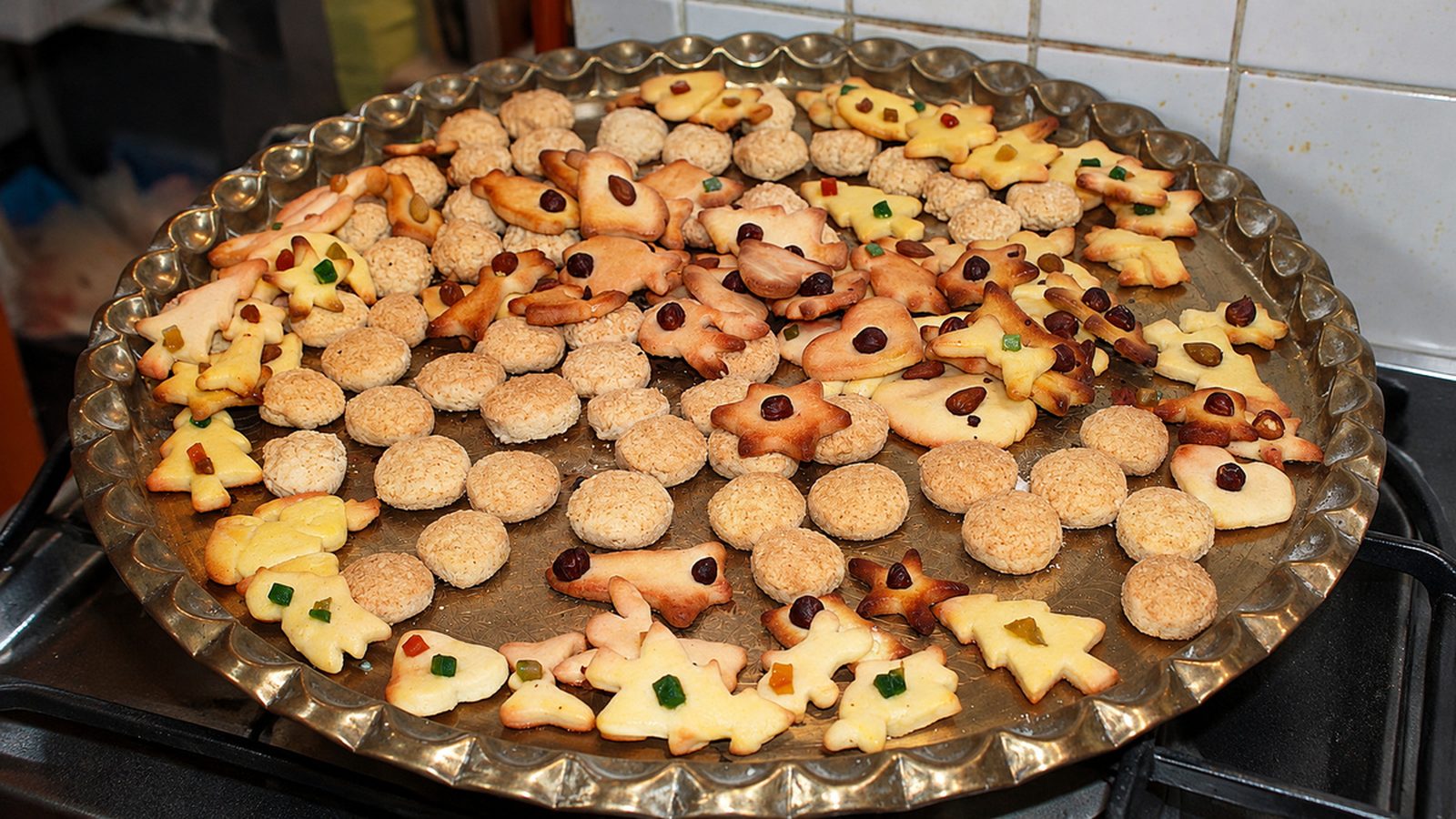
Mulled wine goes with the little cakes of Advent: bredele, a slice of gingerbread or Christstollen. The spices in the drink echo those in the biscuits.
Serve it in thick mugs or preheated glasses with handles, with a slice of fresh orange. If made in advance, reheat it gently, again without boiling.
Where to try it
During Advent, mulled wine is drunk at the Christmas markets. In the Outre-Forêt, the Hunspach market is held in the village farmyards. La Petite-Pierre and Wissembourg also have their Christmas markets, and Haguenau, on the edge of the Park, sets up its stalls in the town centre. Dates change every year: check the Christmas markets calendar or the tourist office before you set off.
Good to know
Expected crowds this week: usual, busier at the weekend
In the Northern Vosges
- 25 December Christmas Day, public holiday in France (long weekend)
- 26 December St Stephen’s Day (Alsace-Moselle), public holiday in France
- 1 January New Year's Day, public holiday in France (long weekend)
- 20 December – 3 January French school holidays
Back home: the Netherlands
- 25 December Christmas Day
- 26 December St. Stephen's Day
- 19 December – 3 January Christmas Holidays
- 13 February – 21 March Spring Holidays (depending on region)
Getting here
- From Belgium and the Netherlands by car: via Luxembourg and Metz, or via Germany towards Karlsruhe and Wissembourg.
- By train: high-speed trains to Strasbourg (via Paris) or to Karlsruhe (via Germany), then regional trains.
- On site: a car is the easiest way to get around.
Holidays: Nager.Date and OpenHolidays.